
Jyotisha
Jyotisha is the Vedic science of time and karmic rhythm, guiding human awareness toward responsibility, preparedness and ethical choice.
Origins of Vedic Astrology
Jyotisha is one of the six Vedangas — disciplines supporting Vedic knowledge. It was not used for prediction alone, but for understanding cycles of duty, responsibility, and self-development.
3000 BCE — Vedic Era
Astronomical observations aligned rituals, agriculture, and governance with cosmic rhythms.
1000 BCE — Classical Texts
Works like Brihat Parashara Hora Shastra codified birth charts, planetary periods, and ethical interpretation.
Medieval India
Astrology guided coronations, wars, treaties, and social organization of kingdoms.
Modern Era
Jyotisha is now used for psychological insight, self-reflection, and life planning — not fatalism.
Astrology Today
Modern Jyotisha emphasizes free will, awareness, and responsibility. Charts are maps — not sentences.
Classical Structure of Astrology
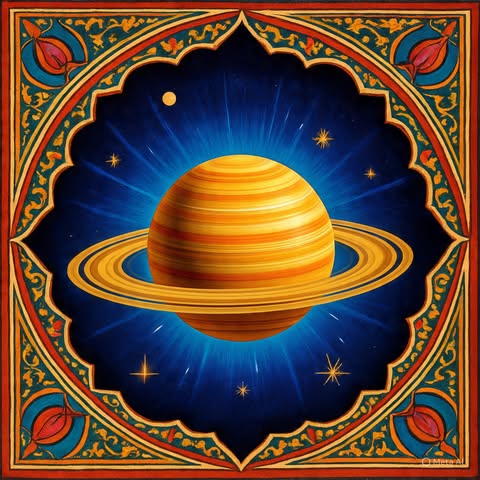
Graha
Grahas represent psychological functions and karmic influences acting upon human consciousness across time.
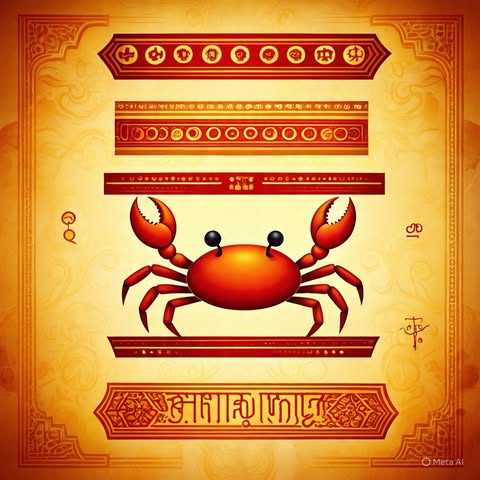
Rashi
Rashis express temperament and environmental conditioning influencing behavior and decision-making patterns.
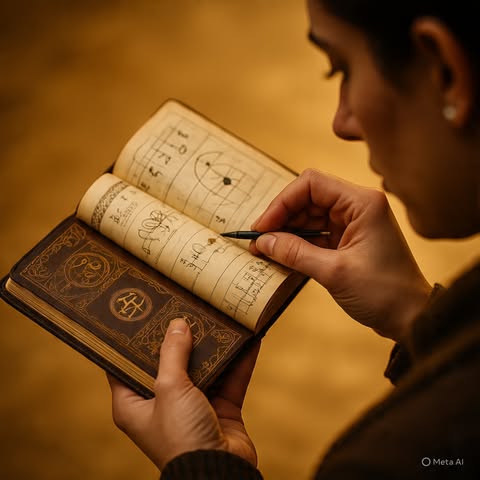
Dasha
Dasha systems describe life phases, helping individuals prepare for periods of growth, challenge and transformation.
Astrology in Royal India
Kings consulted astrologers for coronation timing, diplomacy and succession planning — always alongside ministers and sages.
Jyotisha and Free Will
Classical texts emphasize that astrology reveals tendencies, not destiny. Human effort and ethics remain supreme.
Modern Psychological Relevance
Today Jyotisha supports self-reflection, life-cycle planning and emotional awareness when practiced responsibly.