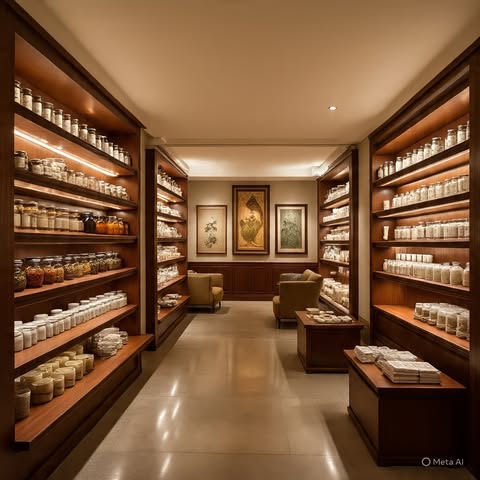
Our Story & Mission
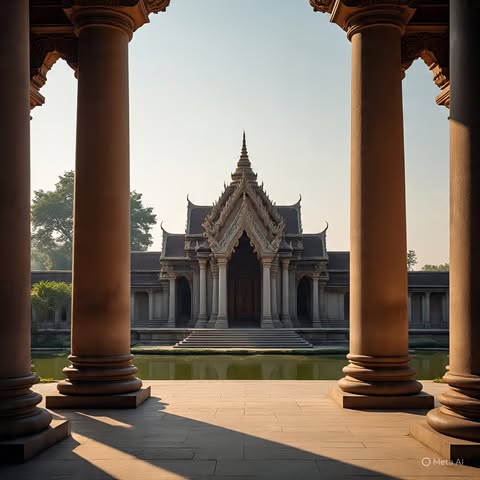
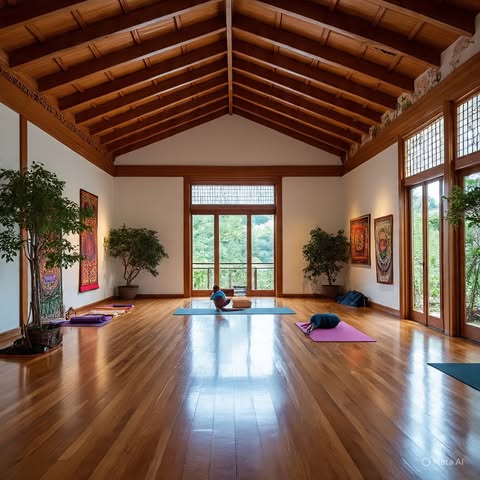
VividAshram began as a small, community-rooted space for study and practice. Over two decades it has grown into a sanctuary where classical yoga, meditation and Ayurveda meet structured social outreach. Our mission is simple: to restore balance in body, mind and relationships using time-tested practices, while serving the wider community through free programs, education and sustainable living initiatives.
We design programs for seekers at every level — from short weekend retreats tailored for urban schedules to residential courses that explore deeper contemplative work. Safety, informed consent and practical benefit are central to everything we teach. Where modern medical or psychological issues arise, we encourage learners to consult licensed practitioners and share their care plans with our team so practices are adapted responsibly.
This page explains our lineage, governance, the people who guide our programs, and the editorial and safety policies that shape our public content. Our aim is to be transparent — both for you and for reviewers who evaluate the site for quality and trust. If you are here seeking support or a program recommendation, start with the Offerings page and use the Contact form to tell us about any medical history or accessibility needs.
Over the years our story has unfolded through a thousand meetings — each a small conversation, a single healing touch, a seed planted in the soil of a village school or a kitchen garden. We documented those conversations, the herbs that worked, the breath techniques that calmed panic, the sequences that restored sleep. That documentation became curriculum; the curriculum became training manuals used in remote programs and urban community centres. This iterative labour is what differentiates VividAshram from a generic wellness brand. Our knowledge is not borrowed; it is insisted upon through practice, tested through case studies, and refined by feedback from people alike.
Our programs are developed with an interdisciplinary lens. A trauma-informed yoga class is accompanied by an optional therapeutic dialogue group. This collaborative spirit keeps our work both compassionate and responsible: spiritual tools need not, and should not, replace modern medical care when it is required. Our aim is integration — to create bridges between embodied tradition and contemporary science.
The ashram’s ecosystem is intentionally diverse. The permaculture gardens feed our kitchens and provide raw materials for our herbal formulations. The free programs offers simple remedies and critical screenings, and when a complex case arises, our referral partners ensure patients receive advanced care. Volunteers and long-term residents participate in every level of work — from teaching children to maintaining water systems — which fosters a sense of ownership and collective responsibility in every project we undertake.
We are committed to inclusivity: our programs are open to people of every religious background, gender identity and physical ability. Access remains central — scholarships, sliding-scale fees, and remote participation options are available to make sure distance or resources do not prevent sincere seekers from receiving support. This accessibility extends to our digital content: clear citations, transparent sourcing, and a plain-language approach ensure that readers can evaluate the evidence behind our practices.
Meet the Founder — Debesh Ranjan

Debesh Ranjan — Founder & Spiritual Researcher
Founder of VividAshram. 25+ years of dedicated study and practice in Vedic traditions, meditation and practical wellbeing. Debesh leads the editorial direction, programs design and community initiatives at VividAshram.
Contact: debesh_r@vividashram.com
About Debesh’s experience: Debesh has been working with students, research groups and community organisations since the early 2000s. His approach blends traditional study of Sanskrit texts and classical lineages with careful adaptation for modern urban life. Over the years he has authored public guides, led retreats attended by hundreds, and trained a cohort of teachers in trauma-aware practice and safe Ayurvedic procedures.
Why we publish what we do: Much of VividAshram’s content is born from real practice — case studies, field notes from retreats, and documentation of program outcomes — rather than generic summaries. Where claims are medical in nature, we include citations and encourage readers to programs. This lived-experience focus is essential to meet modern expectations for Experience, Expertise, Authoritativeness and Trustworthiness.
Teachers, Lineage & Ethical Practice
Our teachers come from diverse training backgrounds with decades of practice in classical lineages. We emphasise safe teaching methods, clear guidance, and a culture of respect that places student welfare first. All ashram activities follow ethical guidelines and accessibility principles — details and teacher biographies are shown in the Ashram Team section below and on individual teacher profile pages.
We require instructors to complete internal safety training that covers: trauma-informed teaching, simple first-aid relevant to our retreats, and a code of ethics regarding boundaries, confidentiality and consent. Where programs interventions are provided (Panchakarma, therapeutic herbs), licensed practitioners supervise treatment plans.
Ayurveda & Herbal Care (Safety First)
Our Ayurveda programs focuses on personalized consultations and gentle therapies. All programs are conducted by Ayurveda and we maintain process transparency: formulation ingredients, suggested dose, and safety notes appear on product pages and consultation handouts. If you are taking prescription medication, please inform our program before trying any herbal product.
We also publish clear contraindications and cite authoritative sources (Ministry of AYUSH guidance, classical texts where relevant, and peer-reviewed research summaries). These references appear at the end of programal articles so readers and reviewers can verify claims easily.
Mantra & Devotional Practice
ॐ नमः शिवाय — Om Namah Shivaya
The mantra Om Namah Shivaya is one of the most powerful and universally accessible practices in the Shaiva tradition. Repeating this mantra with sincerity calms the nervous system, grounds the heart and subtly aligns the breath with awareness.
At VividAshram we use both loud and silent japa methods, and teach breath-synchronised recitation to stabilise the autonomic response. Suggested practice: 6–12 settling breaths, then 27 repetitions with mala or subvocal repetition for a simple daily routine.
Moments of Grace
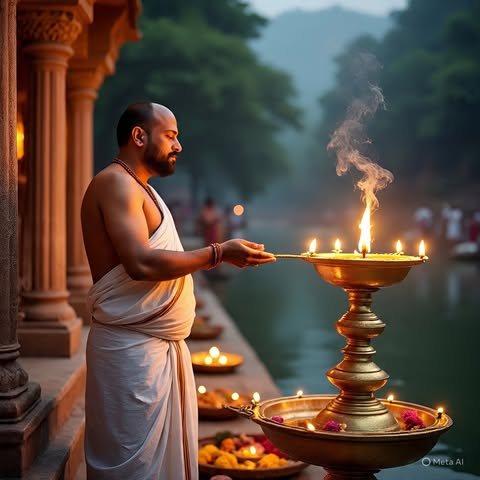
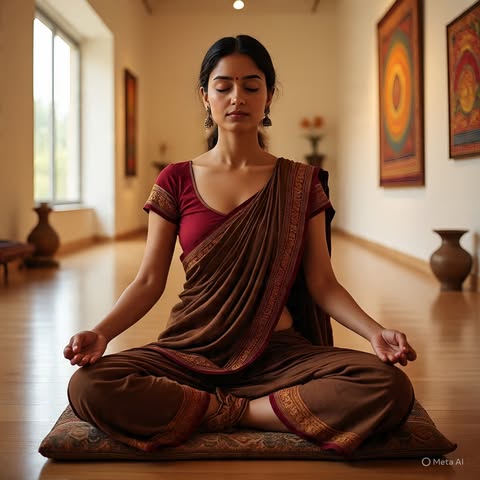
A quiet selection of images from daily life, sadhana, and community events — slow-zoom magic to invite stillness.
Ashram Team — Teachers & Practitioners
Our core teaching team blends lived practice with formal training. Click any profile to read a full biography, including qualifications and contact details for program bookings.
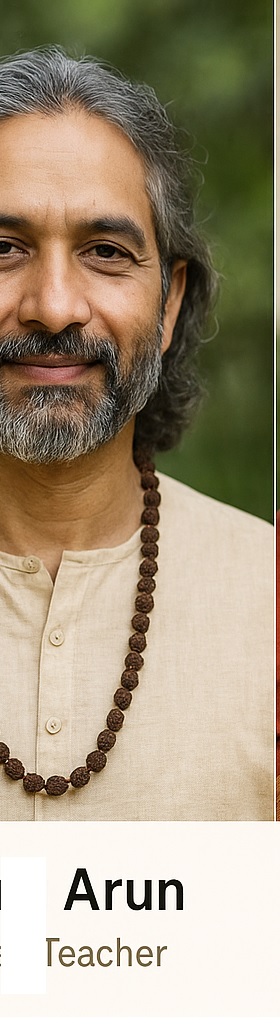
Guru Arun — Head Teacher
Senior teacher with 25+ years of practice in classical Hatha and Raja yoga. Arun leads residential retreats and trains junior teachers.
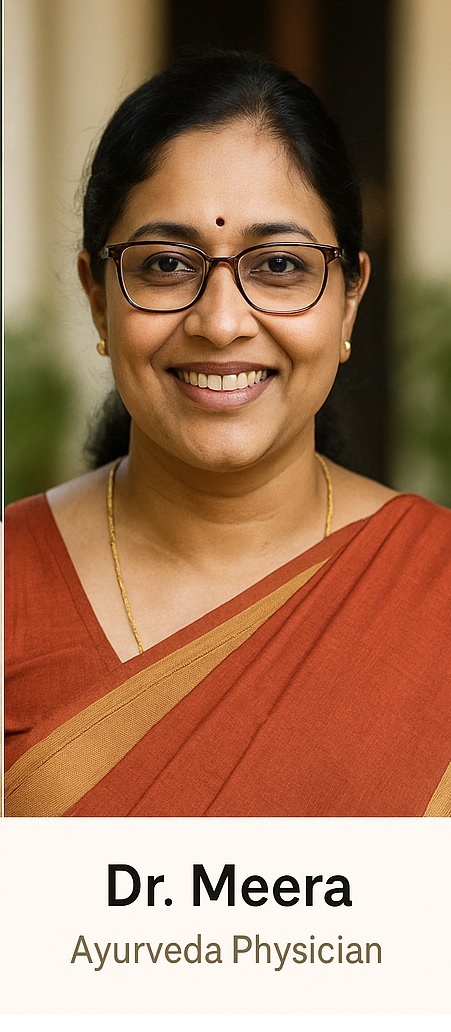
Dr. Meera — Ayurveda Physician
BAMS-qualified physician focused on dosha assessment, Panchakarma planning and product quality control for our Ayurveda.
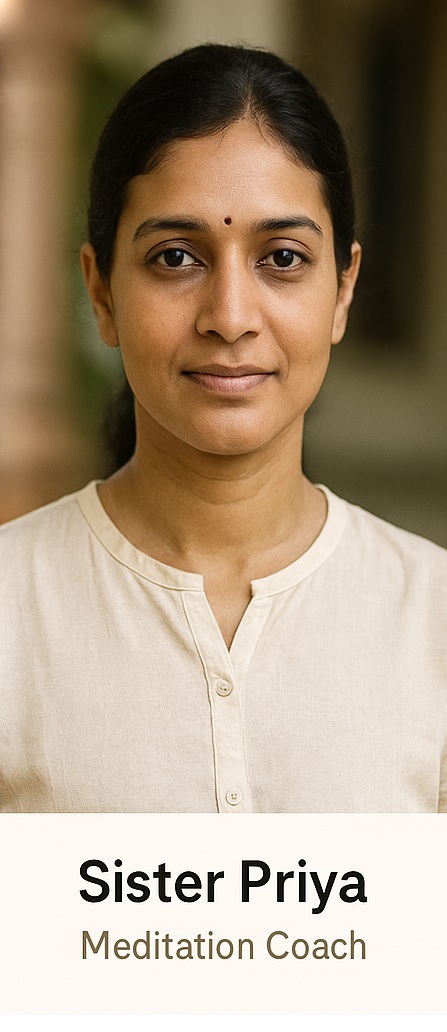
Priya — Meditation Coach
Specialises in mindfulness, breathwork and psychotherapy-informed practices. Priya runs guided sessions and trainings.
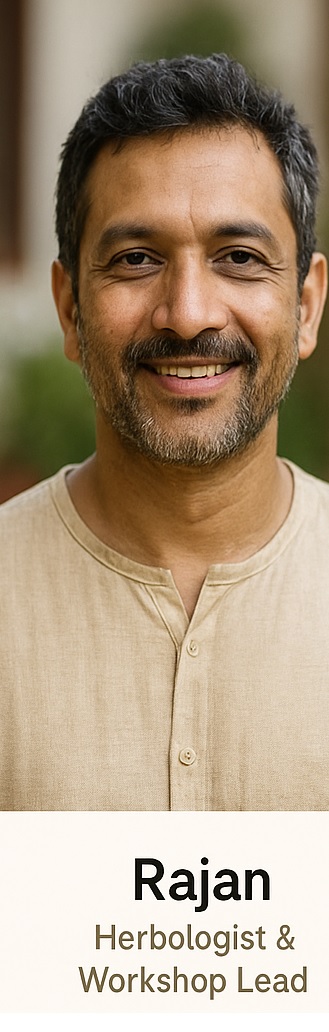
Rajan — Herbologist & Workshop Lead
Curates the herb garden and leads practical workshops on plant identification and safe formulation practices.
Guru Arun — Head Teacher
(continued) Arun leads residential retreats and trains junior teachers.
Click any team member to view full profile pages and background checks. We publish credentials and training histories for transparency.
Connect With Us
For bookings, volunteer enquiries or teacher-led programs email info@vividashram.com or use the Contact page. We aim to respond to program enquiries within 72 hours on business days.